Originally Published as: Where Post-Frame Stands in 2026: Every builder has a gut feeling about where the market’s headed.
Here’s what the numbers say and how they frame the year ahead.
Materials: Steady, But Watch the Fine Print
After the wild price swings of the past few years, 2025 brought builders something they hadn’t seen in a while — relative calm. Steel prices stabilized through the back half of the year, and framing lumber settled into a $425–$475 per thousand board feet range, close to historical norms. That stability hasn’t fully carried into 2026, though. Overall construction material costs are running 3–5% higher year-over-year, with steel, concrete, and copper leading the increases, and forecasters expect that pattern to continue through the first half of the year.
The bigger story for post-frame builders may not be price — it’s lead time. Steel fabrication windows have stretched to 12–16 weeks in many markets, up from the 8–10 weeks builders could count on a few years ago, and custom orders can run 20 weeks or more. For the bid table, that means price steel early, build schedule contingency into every quote, and don’t assume this year’s material cost is next quarter’s material cost.
Pricing behavior has also become more fragmented than in past cycles. Rather than moving together, steel, lumber, and concrete are now responding to their own separate supply-and-demand pressures — tariffs and trade policy on the metals side, energy costs on the concrete side, regional mill capacity on the lumber side. That means a blanket “materials are up” or “materials are down” assumption isn’t reliable anymore; each category needs to be tracked on its own, and estimating software or a supplier relationship that flags changes in real time is worth more than it used to be. Pricing cycles have shortened industry-wide too — updates that once came quarterly can now happen within weeks — and estimates built on last season’s numbers are underpriced before the first post goes in the ground.
Labor: Still the Real Bottleneck
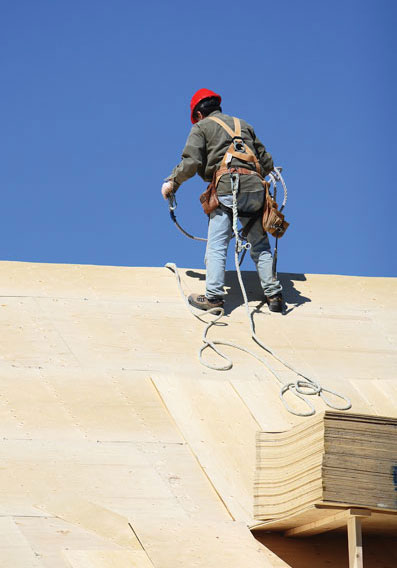
If materials are the headline, labor is the story underneath it. Industry-wide, the construction trades need roughly 500,000 net new workers this year just to keep pace with demand — a number complicated by the fact that over 40% of today’s skilled workforce is expected to retire within the next five years. Nine in ten contractors report difficulty filling skilled trade positions, and nearly half say they’ve had a project delayed by workforce gaps in the past year. The shortage isn’t evenly spread across trades, either — electricians are especially hard to find, with roughly one in five already over age 55, right as data center construction and other large commercial work competes for the same limited pool.
For post-frame specifically, this is where the category’s efficiency advantage matters most. Clear-span construction, fewer specialized trades, and faster close-in than stick framing all reduce a builder’s exposure to a labor market that isn’t loosening up anytime soon. A crew that can frame, dry-in, and finish a building with a fraction of the trade coordination a stick-built project requires is simply less exposed to the shortage than a builder competing for the same framers, electricians, and finish carpenters everyone else is chasing. In this environment, crews that can move fast and finish clean are the ones winning bids — not necessarily the crews with the lowest material cost.
Financing: Rates Are High, But the Money Is Moving
Construction lending remains the quiet variable that can make or break a project’s timeline. Construction loan rates are currently running well above conventional mortgage rates — commonly in the 7.5–11% range depending on the lender, the borrower’s credit profile, and the project type — and most lenders still require a substantial down payment along with detailed plans, a line-item budget, and a proven builder relationship before releasing funds. That’s a meaningfully higher cost of capital than buyers were working with a few years ago, and it’s pushing some ag and equine clients toward phased builds or scaled-back scopes rather than shelving projects entirely.
That said, industry forecasters describe 2026 lending conditions as “rebalancing” rather than tightening further. Credit standards are expected to hold steady rather than worsen, and capital continues to flow into well-planned projects with experienced builders attached. For rural clients specifically, USDA construction-to-permanent loan programs remain a meaningful path to building without a large down payment for buyers who qualify — worth keeping in your back pocket for conversations with first-time ag or residential clients pricing out a build.
A Regional Read: What the Minneapolis Fed Is Seeing
National numbers only tell part of the story, and for much of Rural Builder’s readership, the more useful read comes from the Federal Reserve Bank of Minneapolis. The Minneapolis Fed’s Ninth District — Minnesota, Montana, North Dakota, South Dakota, and parts of Wisconsin and Michigan’s Upper Peninsula — is one of the most heavily agricultural districts in the Federal Reserve system, and its quarterly Ag Credit Survey has been sending a consistent signal through the first half of 2026: farm finances are tight, and it’s showing up in building and equipment budgets.
More than three-quarters of district agricultural lenders reported that farm incomes decreased in the first quarter of 2026 compared with a year earlier, even after a strong 2025 harvest — low crop prices and a spike in fertilizer and fuel costs ate into the gains growers expected to see. The response on the capital spending side was sharp: roughly two-thirds of lenders reported that farm operations decreased spending on equipment and buildings, with only a handful reporting any increase. Farm loan interest rates ticked up slightly even as demand for credit grew, and loan repayment rates continued to soften — collateral requirements have edged up at a subset of lending institutions as a result.
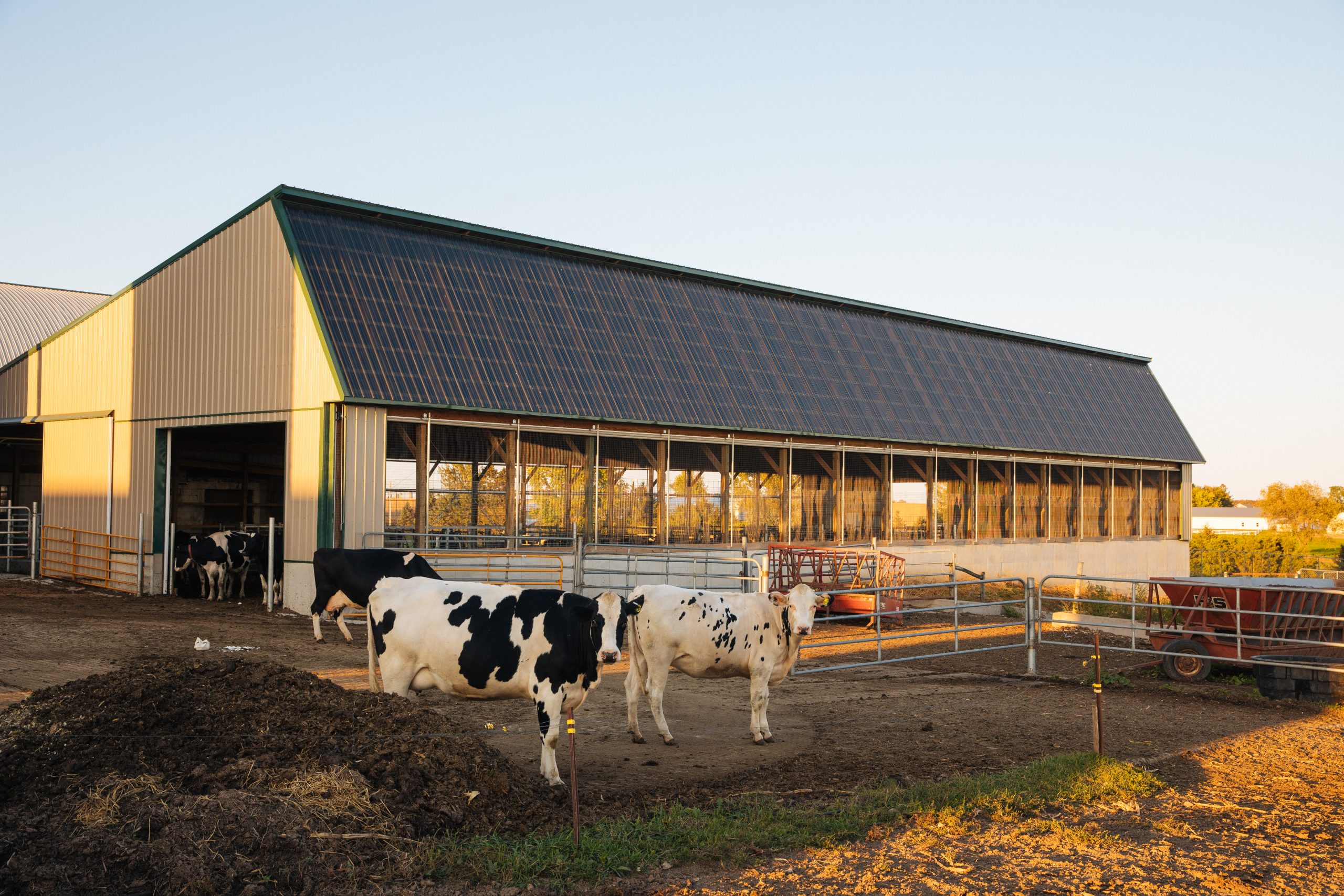
None of that means the building market in farm country is closing up shop. Regional outreach director Joe Mahon has pointed out that even as new machinery purchases slow, service and upkeep spending on existing equipment has stayed stable or even ticked upward — farmers are keeping what they have running longer rather than buying new. That same logic extends to structures: a producer who isn’t in a position to finance a new combine this year may still be a strong prospect for a smaller, well-timed building investment — a machine shed to protect the equipment they’re now committed to running longer, or a repair to an aging structure rather than a full replacement. Cattle operations have also fared better than crop-only operations through this stretch, since livestock income has been comparatively resilient — worth keeping in mind when prioritizing which segment of your ag client base to focus on first this year.
For builders working outside the Ninth District, the takeaway still applies: check your regional Fed bank’s ag credit survey before you build out your farm-client pipeline for the year. Conditions vary meaningfully by district, and a five-minute read against your own territory beats guessing from national headlines.
What’s Selling: Ag Stays Steady, Equine and Shops Keep Climbing
Production agriculture remains the bread and butter of the post-frame world, but the growth is happening at the edges. Equestrian construction continues to stand apart from general agricultural work — these buyers are investing more in interior, and curb appeal than a typical livestock or equipment building, and a well-executed 40×80 or 50×100 center-aisle barn with a tack room and wash rack is commanding premium pricing accordingly. Equine buyers also tend to be more willing to wait out extended fabrication timelines for the right finish package, which makes them a good fit for builders currently squeezed by steel lead times elsewhere in their pipeline.
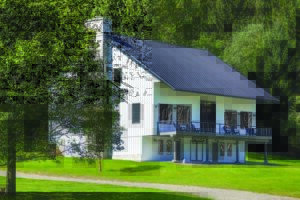
Shop buildings remain the single most common post-frame project outside of production ag, driven by buyers who want a heated workspace, RV storage, or a hobby building with none of the compromises of a garage. Hybrid buildings — barndominiums, farm-store-and-storage combos, and buildings that mix living space with working space — are also one of the fastest-growing categories in the segment, reflecting buyers who want one structure to do the job of three rather than financing separate builds for each.
On the pure agricultural side, broader trends toward climate-adapted farming, tighter margins, and rising mechanization are pushing demand for buildings that do more than provide shelter — think integrated ventilation, equipment bays sized for larger modern machinery, and structures built to accommodate monitoring and automation systems rather than retrofit them in later. Builders who can speak to those features during the sales conversation, not just square footage and price per foot, are positioned to win the more sophisticated ag accounts.
The takeaway for 2026: builders who quote fast, hold schedules despite fabrication delays, speak clearly about financing options, and pitch post-frame efficiency over labor-intensive alternatives are positioned to grow — regardless of where material prices or interest rates land next quarter.
Sources
- Associated Builders and Contractors
- AGC-NCCER 2025 Workforce Survey
- Federal Reserve Bank of Minneapolis Ag Credit Survey, Q1 2026; industry material cost and construction lending reporting, Q1–Q2 2026.