Unique Characteristics Require Special Considerations
Storing grain is a necessary part of growing commodity crops. While not all operations require a grain bin for storage, it may be among the best options for some operations.
Size Matters
As with most storage buildings, if finances allow, putting up a larger grain bin is usually a good idea for a couple reasons. First, operations and businesses almost always grow. Second, there is usually a decreasing cost for each added square foot or, in this case, added volume. If your client builds a structure that only meets their current requirements and needs to expand later, they’ll have to add a whole new structure when maybe they could (and should) have built one a bit bigger to begin with.
Why Grain Bins Are Round
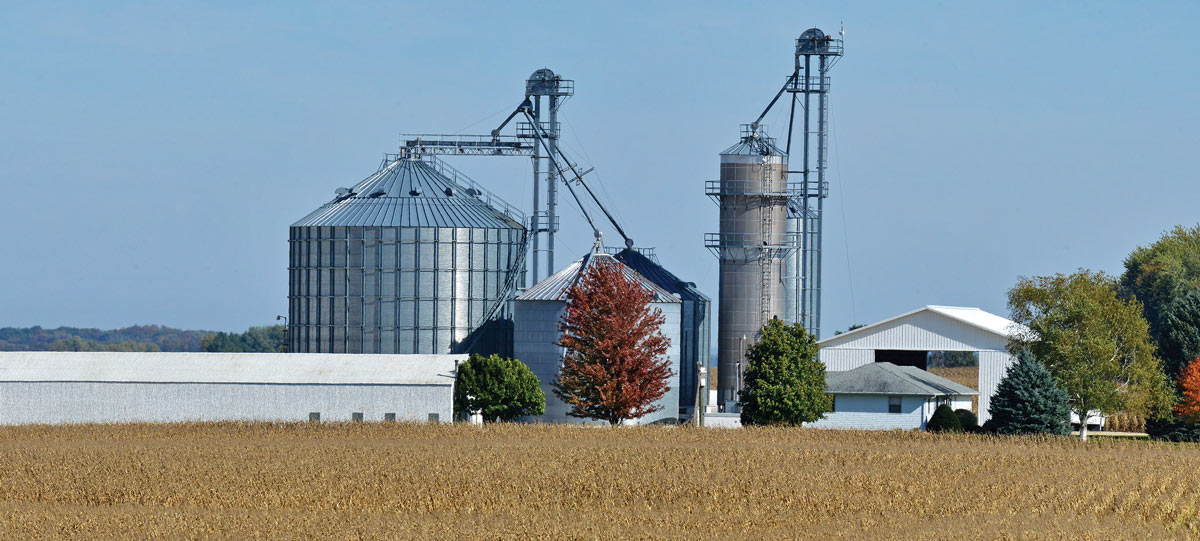
Grain bins are unique structures, given their round shape. It’s this shape, though, that allows them to store a large quantity of grain efficiently because it makes their contents flow easily. The round shape also allows the steel sides to contain the grain through their tensile strength. In addition, the round design means the outward forces push equally in all directions.

This wouldn’t be true with square or rectangular buildings because they would generate massive shear forces at the base of walls and on fasteners along the walls. That doesn’t mean you can’t adapt post-frame structures to store grain on a small scale, but if your client needs to store a lot of grain, a round bin is really the only practical option for large-scale, long-term use.
dvande-stock.Adobe.com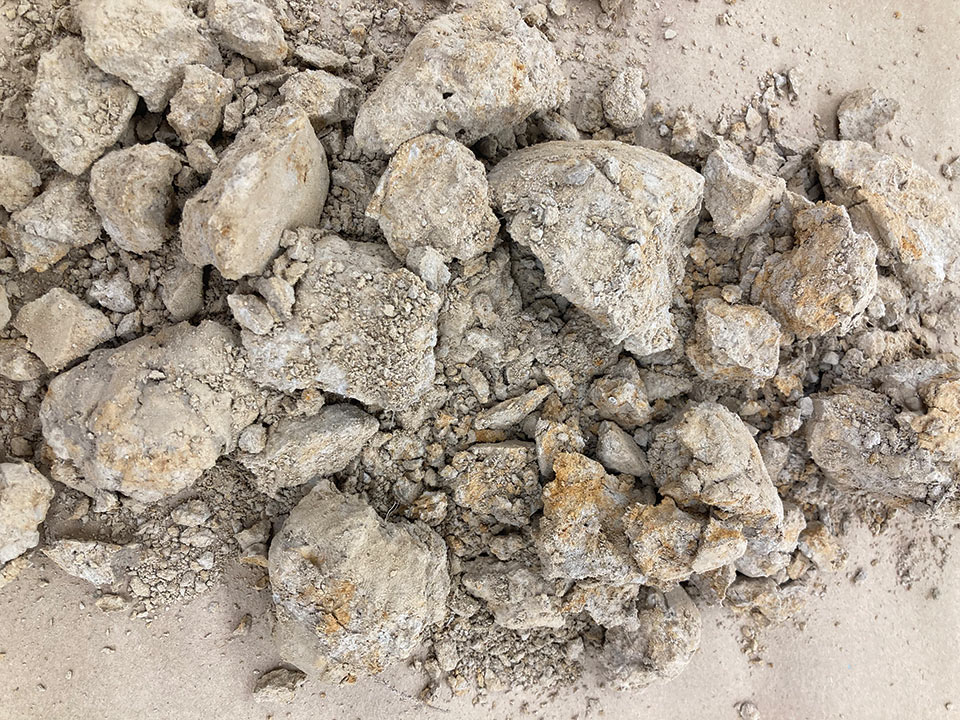
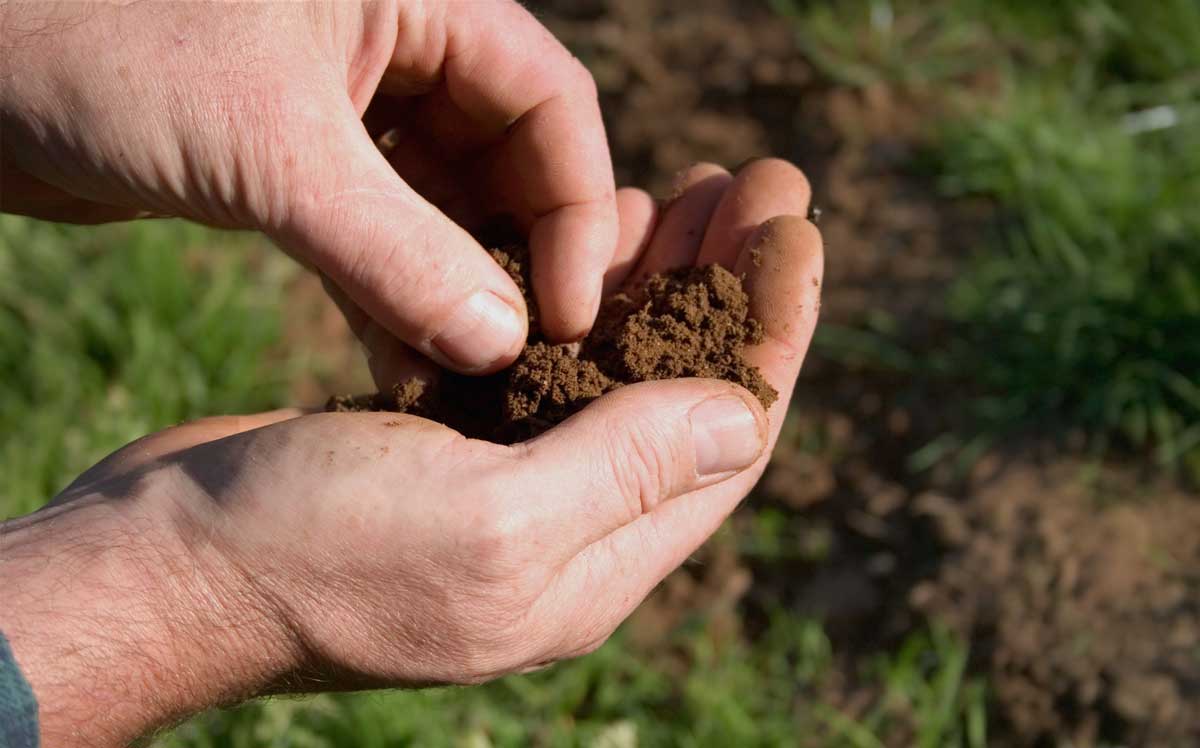
Seasonal water tables leave telltale signs called “redox features.” These are mostly the colors of the soil left by changes to the iron in both oxidized and reduced forms. Oxidized iron creates red or orange colors, while reduced iron produces gray or washed-out colors. If gray colors are found in shallow areas, that means the site is wet for a significant amount of the year. If there are only a few orange streaks or spots, that indicates that the water may get that high but doesn’t persist there long. 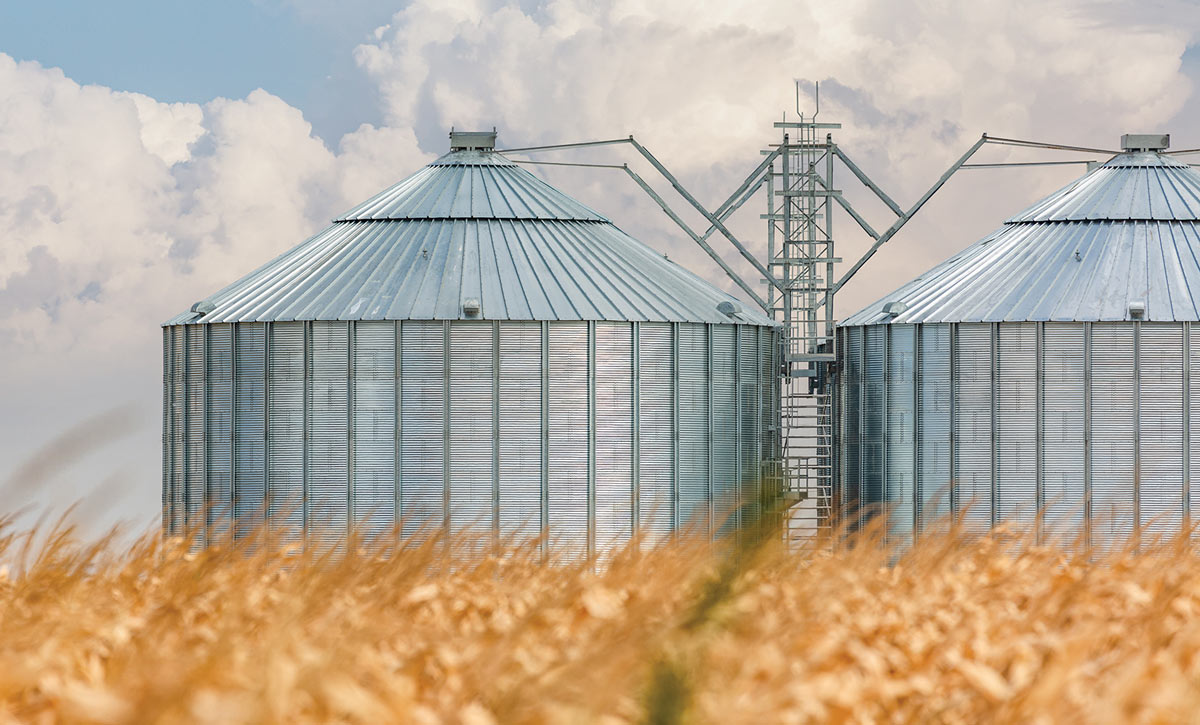
To compensate for potential high wind loads, shorter, wider grain binmay be a better option than taller, narrower ones, although they’ll need a bigger footprint and more concrete for the foundation and grain pad.Cristi-stock.Adobe.com
Preparing a Grain Bin Foundation
While a grain bin is the ideal long-term storage structure, it’s critical that the site is prepared for the bin and the foundation is up to the task of supporting the grain bin and all the grain.
First, as with almost every structure, site selection and grading are important considerations. The site will need to be dry and graded so runoff and snow melt are directed away from the structure. In addition, equipment traffic flow around the structure should be considered as well (more on this later). Once a good site is selected, a well-designed and installed foundation has to be constructed.
Most builders are familiar with grading but may not be as knowledgeable about ensuring that the soil is well drained. This isn’t only about soil texture (sandier soil holds less water), but also about depth to a seasonal water table. That seasonal water table may create a challenge with the foundation. Builders can consult a soil map or dig or auger a hole as long as they know what to look for.
Seasonal water tables leave telltale signs in what soil scientists call “redox features.” These are mostly the colors of the soil left by changes to the iron in both oxidized and reduced forms. Oxidized iron creates red or orange colors, while reduced iron produces gray or washed-out colors.
If gray colors are found in shallow areas, that indicates that the site is wet for a significant amount of the year. If there are only a few orange streaks or spots, that indicates that the water may get that high but doesn’t persist there long. Ideally, you wouldn’t want either of these conditions to extend down to the full depth of the foundations. Indications of water contact with your foundation aren’t a dealbreaker, but they do mean that there could be challenges, such as differential settling and issues with freeze/thaw cycles.
If the soils are wetter where the bin is being constructed, then it may be necessary to install trench-style or subsurface drains around the foundation. During times when there is a high-water table, they would divert ground water away from the foundation
.
Planning for the Combined Weight of Bin and Grain
The weight of the grain in a bin may require a soil-bearing capacity as high as 5,000 lbs. per square foot. This exceeds what is required in most circumstances. Where I live in Wisconsin, a soil-bearing capacity of 2,000 lbs. per square foot is required for normal construction. Most soils meet that criteria unless the building requires engineering.
With a grain bin, we have a heavy building, plus a large footprint under high pressure across the entire footprint of the building. And to cap it off, the structure will be repeatedly loaded and unloaded, which will massively change the pressure applied to the ground over a short period of time. All these things combined require good site preparation and a well-constructed foundation for the grain bin.
Other than the odd site that has perfect conditions, it’s likely that the soil will need to be prepared (including excavating and bringing in material) and compacted to meet the required bearing capacity of the bin. The soil around the base of the bin also needs careful consideration, as it will produce large shear forces on the foundation below the bin walls. As such, backfilling around the foundation must be compacted as well.
Concrete Foundations
A concrete foundation and pad are the best choice for longevity, pest control, and damage prevention. While there are other options, they’re all inferior for reasons related to anchoring, pest entry prevention, corrosion, and avoiding differential settling and water issues. If a client balks at all that concrete, at least use a concrete ring foundation. Standard concrete can handle pressures of 2,500-4,000 psi, but that still needs to be reinforced and plenty thick to avoid cracking if and when some settling occurs.
The concrete foundations may be 12 inches or more thick (up to 24 inches for large bins) with an additional sub-base of 12 inches of compacted gravel beneath it. And they may be 12 to 24 inches wide, depending on the size of the bin (check on what is recommended for the size you’re building), and 18 to 24 inches for a 30-to-48-foot bin, with smaller bins using 12- to 18-inch-wide footings. The concrete pad in the center is often 6 inches thick, but thicker may be better for very large bins.
Rebar should be added to the concrete according to the grain bin manufacturer’s recommendation (often at 18-inch spacing or less). It’s a good idea to add a vapor barrier below the concrete pad and above the compacted gravel to reduce moisture intrusion into the bin through the concrete pad. If you’re pouring the pad and footings as one unit, make sure the vapor barrier material doesn’t extend into the footing, as this could weaken the footing. It may be desirable to embed conduit in the footing and pad for running any electrical wiring for sensors or fans.
You may want to consider adding a rodent barrier to the concrete foundation. This is primarily to keep them from burrowing underneath the foundation and pad, rather than from keeping them out of the grain, as the concrete footings and pad will usually do that. This rodent barrier can be a concrete curtain or 1/4-inch hardware cloth or a combination of the two, but it should extend 36 inches below ground level to stop rats. Having gravel or a concrete apron around the bin will also help discourage rats.
Planning for Differential Settling
Differential settling needs to be avoided but also planned for. Due to the large size of the grain bin and the imperfection of the site, it may be necessary for the grain bin foundation and the grain pad to be separate structures. In cases where differential settling might occur due to nonuniformity in the prepared site (the bigger it is, the more difficult it becomes to make the site uniform) or with soils that expand and contract a bit, it can be beneficial to support the bin and the grain with separate foundations. In this situation, there is a ring-shaped foundation for the bin and a separate unconnected pad to carry the load of the grain.
This strategy helps to keep the grain bin plumb and level but allows the grain pad some movement, which is better than having differential settling occur to the bin itself. Of course, there may be required maintenance (such as mud jacking or foam injection) if the grain pad moves too much, but at least this shifting won’t be on the structure itself. Obviously, avoiding differential settling by doing the best site preparation possible is the goal.
Depending on the soil materials and their depth, you may have to construct pilings to direct the pressure of the foundation to deeper, stronger soil materials. This is more cost-effective than excavating a large amount of soil material and then bringing in and compacting fill. In this case as well, the grain pad will likely need to be separate from the bin foundation.
If you’re building a very large bin, it’s worth getting engineering analysis of the site and soil materials to ensure a stable and long-lasting grain bin.
Anchoring the Bin
Along with countering the shear forces applied to the soil around the foundation (mentioned earlier), it’s critical that the bin be properly anchored to the foundation. Don’t do less with anchoring than the manufacturer recommends, but the anchors could certainly be longer or heavier than required. The anchors are bolts embedded or drilled into the concrete foundation and may be up to 15 inches long and either 5/8-inch or 3/4-inch diameter. Whatever size or type you use, make sure they meet the manufacturer’s specification at a minimum.
Anchoring the grain bin to the concrete foundation isn’t just about controlling shear forces at the base of the grain bin, but also for countering wind lift and suction when the bin is empty. The foundation must be firmly attached to the ground and the bin firmly attached to the foundation so it won’t blow away. Additionally, anchoring the bin to the foundation helps prevent wind suction damage, as it reinforces the rigidity of the whole structure. (Other features may be required, too, such as rings and stiffeners further up the walls.)
While the concrete foundation and anchors provide the majority of the protection for the bin during a wind event, choosing a wind-sheltered location is ideal. While most grain bins are designed to handle 105 mph winds and some even up to 140 mph, it’s better to take measures to reduce the windspeed where feasible. If it’s an option to move things around on the property and there isn’t existing grain storage on the farm already, or if this is new or satellite expansion, select a sheltered location when possible. If the area is prone to high winds, a shorter, wider bin may be preferable to a taller, narrower bin.
Add-Ons and Other Site Considerations
It’s also important to consider grain bin loading, unloading, and drying features. Much goes into preparation for the foundation, but just as much thought should go into the traffic and traffic pattern around the bin. If drying infrastructure is planned, there also must be a foundation for the drying equipment (out of the way of traffic). In addition, the traffic areas for loading and unloading must be properly graded and compacted for the size of trucks that will be using them. The road surface should be considered here as well. Since it is a heavy use area with large loads, a hardened surface is best, and water shedding is critical. Consider adding a concrete pad where vehicles will be loading and unloading.
Conclusion
Grain bins are specialized structures with unique foundation characteristics that need to be carefully considered and planned for. While this is just an introduction to the topic and more detailed information is needed for each individual project, it provides a good starting point for understanding the logistics and planning involved. RB
Jacob Prater is a soil scientist and associate professor in Wisconsin. His passion is natural resource management along with the wise and effective use of those resources to improve human life.