Steps to Lowering Costs of Rework
“Measure twice, cut once” is one of the most well-known sayings in construction. Even though it’s a basic, obvious truth, it’s easy to be careless and ignore it. Repeatedly making that mistake can be expensive and cut deeply into profits. In the end, it’s not the revenue that’s brought in that matters, it’s how much of that revenue is retained long-term. A high-profit project can turn into a low-profit job or even a loss because of a few key mistakes. As labor and building materials continue to skyrocket, it doesn’t take much to lead to a repair cost of thousands or tens of thousands of dollars. But there are steps that builders can take to reduce callbacks.
Tracking Callbacks
To reduce callbacks, builders need to accurately track and analyze them with a documentation system. Mistakes that involve time or materials to fix should be noted. Not having a good system in place can lead to a significant underestimation of how losses are adding up. Having a thorough documentation system in place allows project managers to note patterns, such as problems with particular workers or processes, lack of coordination between trades, etc. Getting a big picture overview is important because it’s more cost-effective to find and fix trends than random errors.
Some costs may be more intangible, such as damage to the company’s reputation, which could result in missing out on future jobs. Reputation is everything and customer feedback is king. Potential clients rely more on positive reviews, word of mouth, and testimonials than a company’s own marketing verbiage. It’s not what a company says about itself that matters most. It’s what customers say about the company. Human nature being what it is, people believe and pay more attention to negative than positive feedback. One bad comment can undermine many good reviews. But that also means that a company that guards its reputation carefully has a big advantage over those that don’t.

Choice of Construction Materials
Use quality materials. Saving a little money up front on inferior products may cost a lot more in time and labor in rework. Repair work actually has triple cost because not only is the labor being paid for twice, but there’s also an opportunity-cost in terms of the work not being done elsewhere.
Material Transportation and Storage
Damage to expensive building materials can occur through careless handling and storage because of breakage or exposure to the elements.
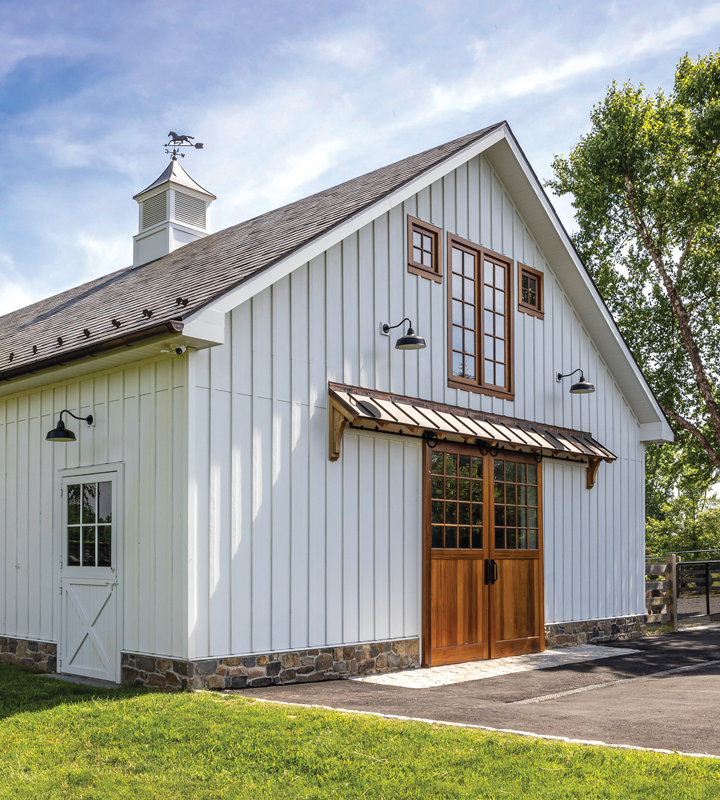
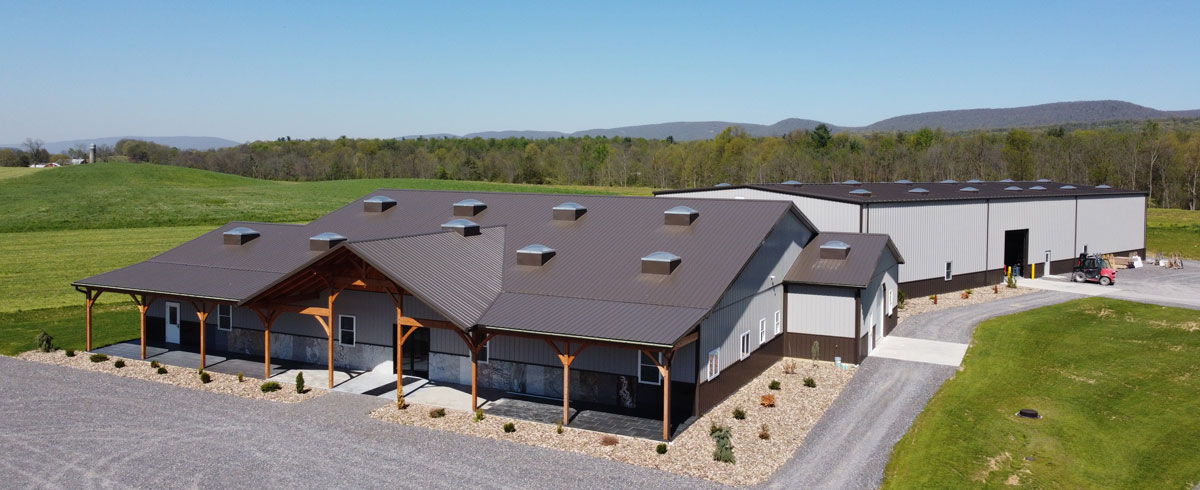
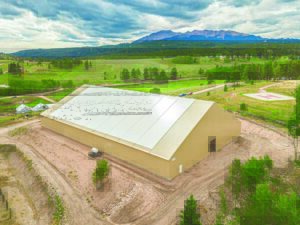
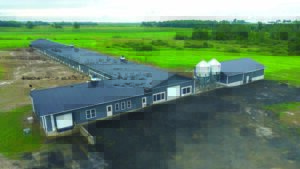
Left: B&D Builders uses offsite construction methods to reduce construction callbacks. In controlled factory settings, timber framing components are fabricated to exact specifications, mitigating the impact of weather and on-site variability. Skilled workers use specialized equipment and repetitive processes, so human error is reduced. This enhanced quality control, modular design, and precise assembly helps prevent callbacks. Photo by Jana Bannan, courtesy of B&D Builders.
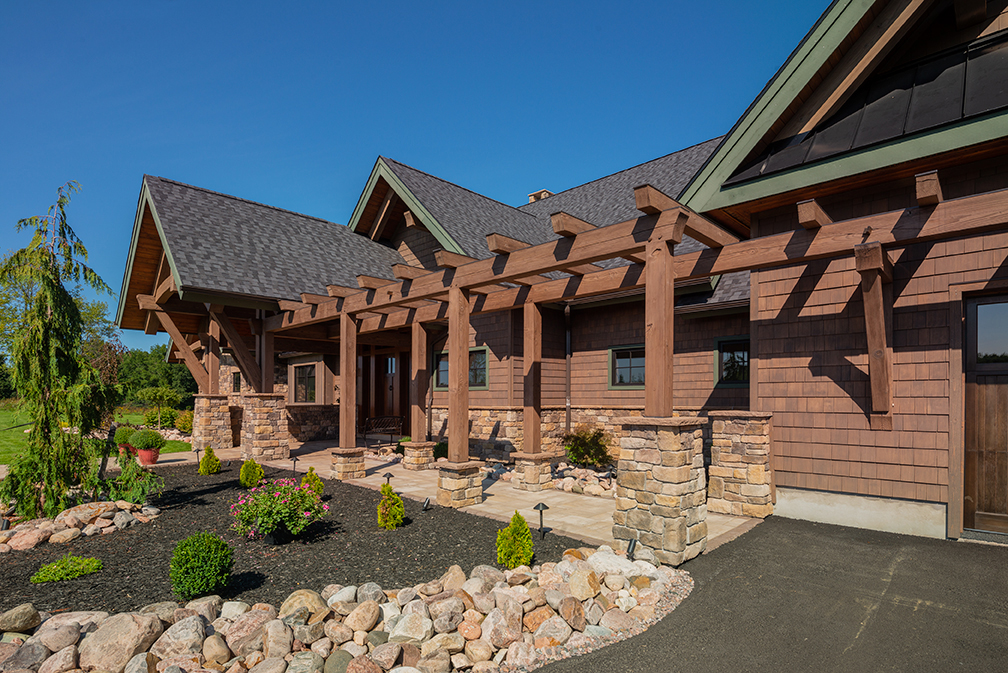
Right: To reduce construction callbacks, New Energy Works recommends builders rely on clear communication, site visits, full inspections, quality-control practices, post-construction follow-up, and a positive work culture. Photo by Don Cochran Photography, courtesy of New Energy Works.
Employees
To succeed in the construction business, companies need to hire and retain qualified, reliable workers who pay attention to detail. Getting and keeping good employees is a major challenge in a tight labor market, but with all that’s at stake, it pays to think long-term and offer the best pay, benefits, and career development opportunities possible. One way to incentivize employees to produce quality work is to create a performance pay program in which employees can earn bonuses but can also have those bonuses reduced by the number of hours required to fix their work. This creates direct accountability for each employee’s work.
Company Culture
Developing a company culture that emphasizes quality rather than speed is a good long-term business strategy. Navy SEALS are famous for their saying, “Slow is smooth, smooth is fast.” Careful, deliberate work at a steady pace will typically be completed better and faster than rushed, sloppy work because less rework needs to be done.
Training
Emphasize training. It’s worth the investment of time. This can be done through both formal training sessions and brief opportunities in onsite mentoring. Take advantage of online training. Some manufacturers offer free training and/or certification programs.
Look for employees who have good people skills and are willing and able to mentor. Taking 10 minutes to teach a worker a better or more efficient way to accomplish a task can save far more time over a period of weeks, months, and years. Better yet is to teach several workers that skill at the same time. Encourage mentors to develop other mentors who can pass on their experience and knowledge.
Supervision
Enforcing safety on the job site may seem like a nuisance, but taking it seriously has many benefits. First, it prevents worker injuries and lost time. Second, it reduces the risk of OSHA fines. Third, constant reinforcement of safety rules can help ingrain the idea of the importance of adhering to policies. That carries over to an emphasis on quality in building processes.
“You get what you inspect, not what you expect.” That popular adage sums up why consistent supervision is needed. If employees get the impression that quality doesn’t matter, then their work will show that. Detailed checklists are vital to ensuring that work is complete and meets code. Just as pilots use checklists to prevent important steps from being overlooked, they provide an essential double check for the project managers.
Project Management
Good project management involves effective and efficient planning, scheduling, coordination, and documentation. In recent years, digital project management software has been developed to make this process far more efficient. Compared to paper and pencil tracking, these programs allow instant updates for all stakeholders whether they’re in the office, on the road, or in the office.
Communication
Project management software greatly simplifies and improves the task of keeping all levels of workers and managers on the same page. However, personal communication is also essential to ensuring a smooth workflow. It’s critical to communicate information and expectations clearly and often. Repetition is important because not everyone may be present for all communication all the time. And it can be easy to miss or forget important details. That’s one good reason to pass communication in multiple forms — oral, print, email, text, etc. Using multiple formats can help ensure that critical information isn’t missed. Also, having information documented will help reduce the chance of misinterpretation or disputes about the details of what was communicated.
Walkthroughs With Client
After the project is complete, doing a thorough walkthrough with the client, carefully listening and documenting concerns for follow-up is essential to maintaining the customer’s trust and earning positive feedback and testimonials. If the client notes that the manager is taking the review seriously and not treating it as a rushed formality, that can help set a positive climate for any callback work that needs to be done. This is a time to reinforce in the client’s mind that the client and builder have a cooperative relationship, not an adversarial one.
Maintaining a positive relationship with the client can have other benefits as well. If the client decides on remodeling work or for additional features to be added in the future, a positive experience can help lead to landing that additional work. Also, a happy client is likely to recommend the company to others.
Post-Project Reviews
Post-project team reviews can be helpful in creating a process of continuous improvement by identifying problem areas, developing solutions, and making a plan to implement them in future projects to ensure the problems aren’t repeated.
Conclusion
Implementing good management and work practices can help reduce the number of construction callbacks and associated financial costs. Efficient practices can also help boost a company’s reputation and lead to more opportunities for contracts. Developing and honing these processes can take significant time and effort but should pay off in increased success and profits.
Tips from the Field
by New Energy Works
Luke Nagle, construction manager at New Energy Works (newenergyworks.com), timber frame, general contract, and off-site construction, offered the following tips:
1. Clearly communicate expectations with client and team. This can be done via drawings, 3D models, site meetings, mockups, etc.
2. Conduct manager/designer/client site visits, especially an acceptance walkthrough.
3. Have the site supervisor and relationship owner do a complete and full inspection of the entire project, check all functionality, etc.
4. Develop quality assurance and quality control and commissioning plans, documents, details, and get subs on board early with them.
5. Plan to go back to the site 30 to 60 days later. Things often need adjustments after move-in. Doors get swung; cabinets get opened. It’s the nature of the beast. This is also a great client relationship builder.
6. DO NOT create an atmosphere where employees/subs are afraid to make mistakes…. It leads to coverups of shoddy or incorrect work. No one is perfect.
7. DO create an atmosphere that celebrates quality and excellence in workmanship in all trades. Respect is critical to teamwork.
B&D Builders
Daniel Glick, co-founder and co-owner of B&D Builders (banddbuilders.com), a construction company that uses offsite construction methods, explained the benefits of using standardized factory methods to produce building components:
“The most consistent way we reduce construction callbacks is through offsite construction. Especially when using timber framing, we can leverage factory precision, streamlined assembly, and rigorous quality checks. In controlled factory settings, timber framing components are fabricated to exact specifications, mitigating the impact of weather and on-site variability. Standardized modules ensure that pieces fit together seamlessly once delivered, minimizing errors and rework. Because skilled workers use specialized equipment and repetitive processes, human error is reduced, and any issues are identified early during advanced testing and inspection. This combination of enhanced quality control, modular design, and precise assembly helps prevent the defects, delays, and additional costs that arise from callbacks in traditional, on-site construction.”