Originally Published as: Building for the Worst Day: Why Fire-Rated Products Are Becoming a Smart Standard in Rural Construction
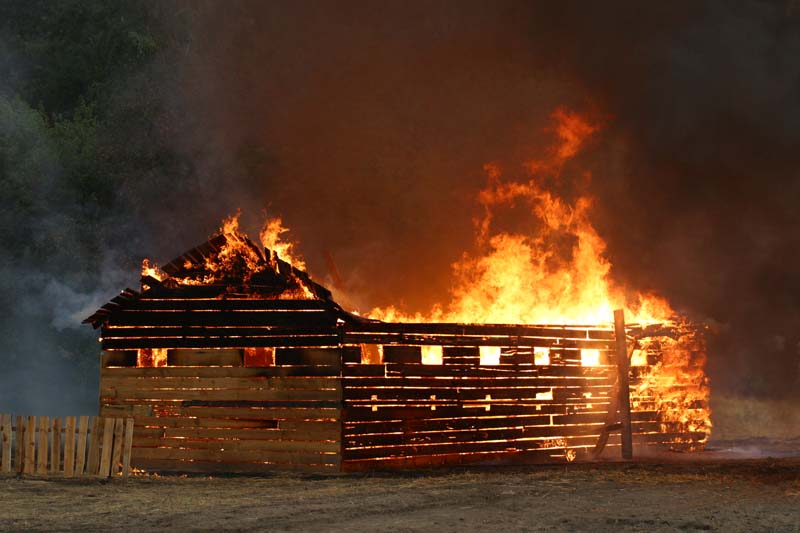
In rural construction, fire safety has always mattered – but today, it matters more than ever. Longer response times, larger building footprints, mixed-use ag and commercial spaces and rising expectations from owners and insurers have pushed fire protection to the top of the list. Fire-rated products are no longer just niche upgrades; they’re practical, proactive choices that improve safety, compliance, and marketability.
What “Fire-Rated” Really Means
A product or assembly is “fire-rated” if it has been tested to resist fire for a set period, usually 30, 60, 90, or 120 minutes, while maintaining integrity against heat, smoke, and flame. Ratings come from standardized tests such as ASTM E119 or UL 263 and are confirmed by independent third-party certification agencies.
As Dr. Gabrielle Peck, PhD, MRSC, Technical Director FCIA & NFCA, explains, “Fire-resistance rated walls and floors are a core component to effective compartmentation. They provide protection to contain a fire to the room of origin and minimize damage and risks to occupants when fire occurs.”
Ratings apply to full assemblies – walls, ceilings, doors, floors, and structural components, not individual products. For builders, that distinction matters: changing one element without verifying the full system can unintentionally void the rating.
Why Fire Ratings Matter in Rural Settings
Rural buildings often face higher fire risk due to wide spacing, limited hydrant access, and longer response times. In that environment, fire-rated construction adds a layer of defense that buys critical time.
Fire ratings serve multiple purposes:
- Slowing fire spread across large or open interiors
- Protecting critical structures from early failure
- Compartmentalizing hazards and aiding safe evacuation
- Providing evidence of safety to insurers and code officials
“Fire ratings are part of the building’s passive fire protection strategy,” says Dr. Gabrielle Peck, PhD, MRSC “Passive fire protection through fire-resistance rated assemblies and firestopping maintains the fire-resistance rating of effective compartmentation. When properly designed, installed, inspected, and maintained, it performs to protect people and property.”
This system approach, design through inspection, and maintenance, helps protect people and property when it matters most.
Where Fire-Rated Products Show the Most Value
Fire-rated components aren’t needed everywhere, but they deliver strong value in the right locations.
Walls & Partitions
Fire-rated walls separate offices from shop space, livestock from storage, and commercial from residential areas. Pre-engineered assemblies simplify compliance and reduce field guesswork.
Ceilings & Roof Assemblies
In large open-span buildings, rated ceilings and roof systems help delay structural collapse, especially in arenas, equipment buildings, and manufacturing spaces.
Insulated Metal Panels (IMPs) & Specialty Products
Fire-rated IMPs combine insulation, durability, and fire resistance in one system. Mineral wood cores offer strong fire performance while maintaining thermal efficiency and faster installation.
Fire-Rated Doors & Glazing
Fire-rated doors and glass help keep areas separated while still allowing natural light and visibility.
Codes, Insurance, and Owner Expectations
Building codes set the minimum requirements for fire resistance, but that is not the whole story. Fire protection often needs to go beyond these minimums, especially when insurers are involved.
Industry trends show that insurers and risk managers are paying more attention to construction type, compartmentation, and passive fire protection when assessing a building’s risk. Using fire-rated construction can sometimes lead to better insurance terms or fewer restrictions.
Owners of agricultural facilities, rural schools, or mixed-use commercial spaces want to know their buildings protect people, livestock, equipment, and inventory.
Balancing Cost and Value
Fire-rated products may cost more up-front. However, when you consider benefits like smoother plan reviews, fewer change orders, lower risk, and better resale value, many rural builders find the investment worthwhile.
As Peck says, “Effective compartmentation via fire-rated solutions and proper firestopping delivers lasting safety by containing hazards from fire, buying time for evacuation and response, and reducing the overall risk to people, property, and investments in the event of a fire.”
The Builder’s Takeaway
Fire-rated construction is not about overbuilding. It is about building smart by choosing materials and assemblies that protect people and property, meet code and insurance requirements, and give clients peace of mind.
As fire safety standards change and expectations increase, using fire-rated products wisely gives rural builders a competitive edge. This is something you can be proud to stand behind when you visit a jobsite.
RURAL BUILDER FIRE-RATED FIELD GUIDE
A Builder-Focused Reference for Safer Rural Construction
Why this matters:
Rural projects often have longer response times, larger buildings, and mixed uses in one space. Fire-rated construction is not about overbuilding; it is about building smart, protecting investments, and helping projects move smoothly through plan review and inspection.
START HERE: Know the Requirements
- Identify all occupancy types (ag, commercial, industrial, mixed-use)
- Confirm required fire-resistance ratings (30 / 60 / 90 / 120 minutes)
- Verify separation requirements between uses and hazard areas
- Coordinate fire protection early — before pricing and layout are locked
Rural Builder Reminder:
Fire ratings apply to entire assemblies, not individual products.
USE TESTED, LISTED ASSEMBLIES
- Specify UL, Intertek, or equivalent listed assemblies
- Verify wall, ceiling, roof, and floor ratings meet code
- Confirm all components are compatible within the assembly
- Avoid field substitutions without written approval
Builder Reality Check:
One swapped fastener, a missing layer, or an unsealed joint can void a rating.
STRUCTURAL FIRE PROTECTION
- Determine if steel framing requires protection
- Select appropriate method:
- Intumescent coatings
- Spray-applied fireproofing
- Encasement systems
- Verify thickness, coverage, and application requirements
- Confirm impacts on clearance, appearance, and maintenance
PENETRATIONS, JOINTS & OPENINGS
- Firestop all penetrations through rated assemblies
- Maintain ratings at:
- Electrical and plumbing
- Mechanical and ventilation
- Equipment and conveyors
- Use the listed joint systems where movement occurs
- Maintain ratings at doors, glazing, and overhead openings
SYSTEM-SPECIFIC WATCH POINTS
Post-Frame Buildings
- Maintain continuity at posts and girts
- Follow fastening and gypsum schedules exactly
- Protect load-bearing elements as required
Metal Building Systems
- Coordinate fire protection with PEMB suppliers early
- Protect exposed steel where required
- Maintain ratings at panel joints and transitions
Agricultural Facilities
- Separate livestock, storage, and equipment areas
- Isolate combustible materials (hay, bedding, fuel)
- Protect exit paths for people and animals
INSTALLATION & FIELD VERIFICATION
- Install materials exactly per the tested assembly instructions
- Photograph rated assemblies before concealment
- Train crews on why fire ratings matter
- Perform internal checks before inspections
CLOSEOUT & OWNER HANDOFF
- Provide listings, documentation, and cut sheets
- Verify labeled components remain visible
- Review maintenance responsibilities with the owner
- Archive records for insurance and future modifications
THE RURAL BUILDER TAKEAWAY
Fire-rated systems give you more time for evacuation, emergency response, and damage control. When built correctly, they protect people, property, and your reputation.
Resources
- 3M-https://www.3m.com/3M/en_US/building-construction-us/applications/firestop/
- Firefree Coatings-https://www.3m.com/3M/en_US/building-construction-us/applications/firestop/
- National Fireproofing Contractors Association-https://www.nfca-online.org/
- Firestop Contractors International Association- https://www.fcia.org/
- HSI – https://hsi.com/
- MAAC Foundation-https://maacfoundation.org/