A Rural Tradition Continues
Contractors accustomed to post-frame and metal building erection might have a hard time seeing metal roofing as a hot new trend. For these systems, metal is simply the most practical roof because it’s structurally efficient, quickly installed, and likely to last the life of the building.
But anyone with eyes knows that metal has been cropping up more and more on commercial and residential structures alike. And it’s not just shopping center mansards or backwoods homes anymore. In the past ten years, metal has become the choice of architects for upscale projects, property owners tired of the maintenance associated with other materials, and schools and public buildings, both for the long-term cost savings and to meet some municipalities’ goals to use recycled and recyclable materials.
The rise of metal roofing to architectural prominence has been spurred by better materials, improved forming processes, and superior finishes. High-speed lines, jobsite roll formers, seaming machines, engineered panels and clips, and a host of other developments have raised the quality of metal roofing while holding its price down.
This transformation hasn’t exactly passed by the rural contractor. Most appreciate the improvements in paint systems and substrates. But they’re also happy with a limited assortment of metal panels, whether for wall or roof application.
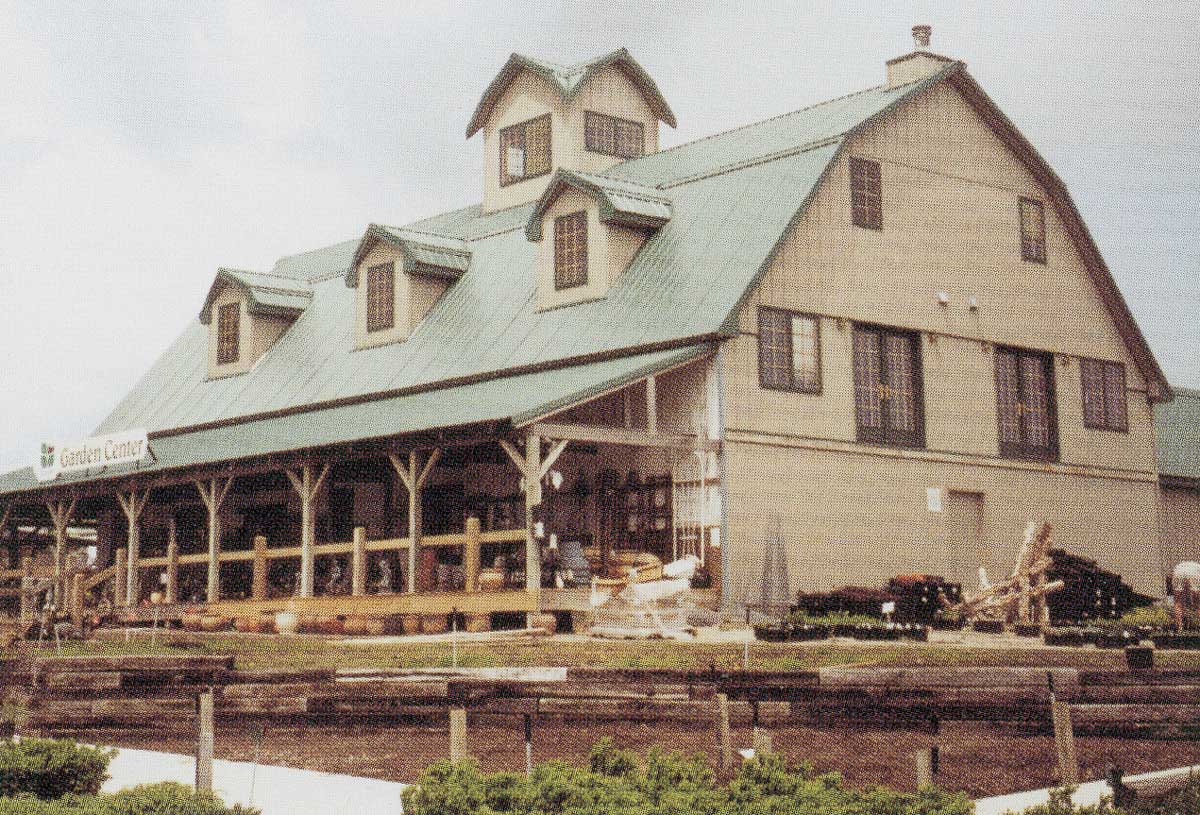
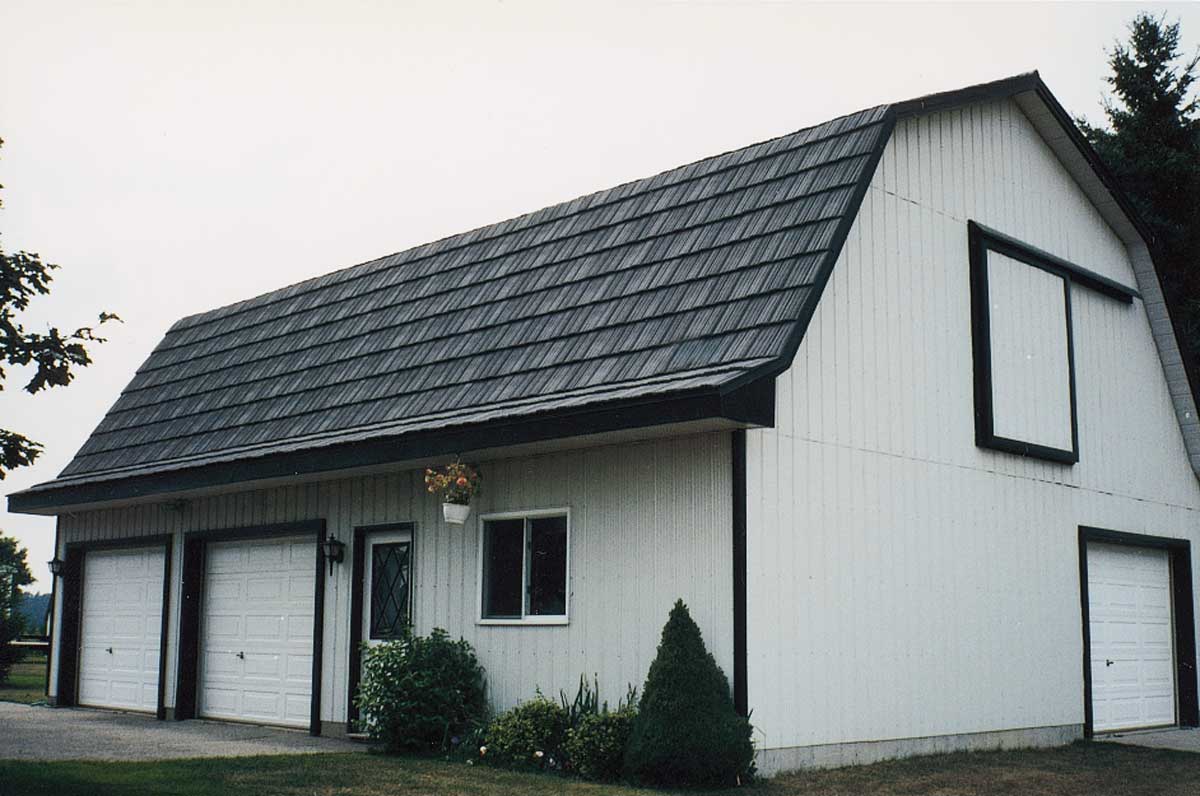
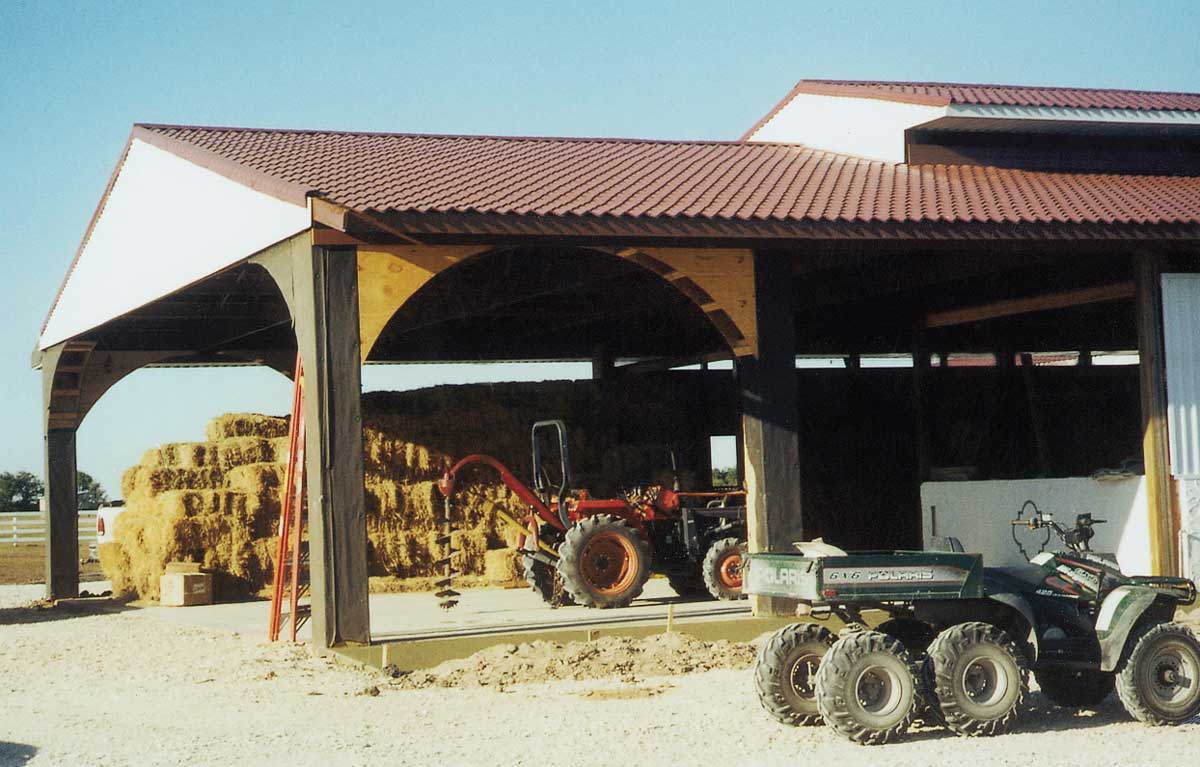
Tile on a pole barn? Post-frame structures nearly always feature metal roofs, but they don’t have to be ribbed panels. This 18,000-sq. ft. horse barn in Weimar, Tex., shown here under construction, ended up with half-stucco walls and a tile roof — metal tile, that is. “It cost us more than a regular panel, but this is our office, and we wanted something unusual,” says Sharon Duperier of Legacy Building Systems. “It’s a real show-stopper.” The long panels from Met-Tile weigh only 125 lbs. per square and easily meet the structure’s wind loading requirements. Met-Tile Photo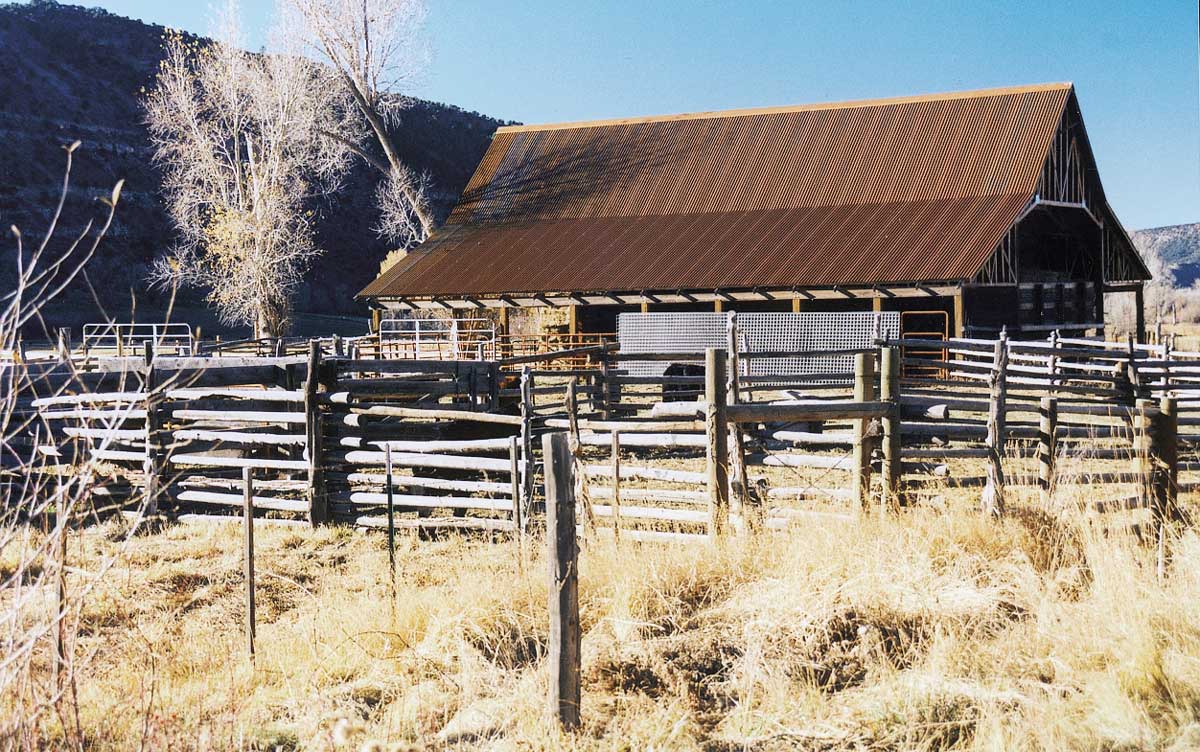
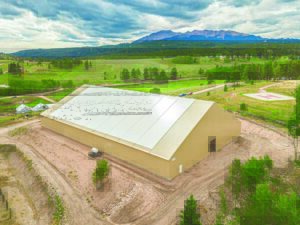
In arid climates, the beauty and surprising longevity of rusted metal has led some to use unpainted and uncoated steel on roofs and sidewalls. This barn in southern Colorado sports rusting, cold-rolled carbon steel panels from Recla Metals in Montrose, Colo. “Weathering steel,” known by its US Steel trade name CorTen, can give a similar rusted look with greater longevity, but at a steeper price. Recla Metals Photo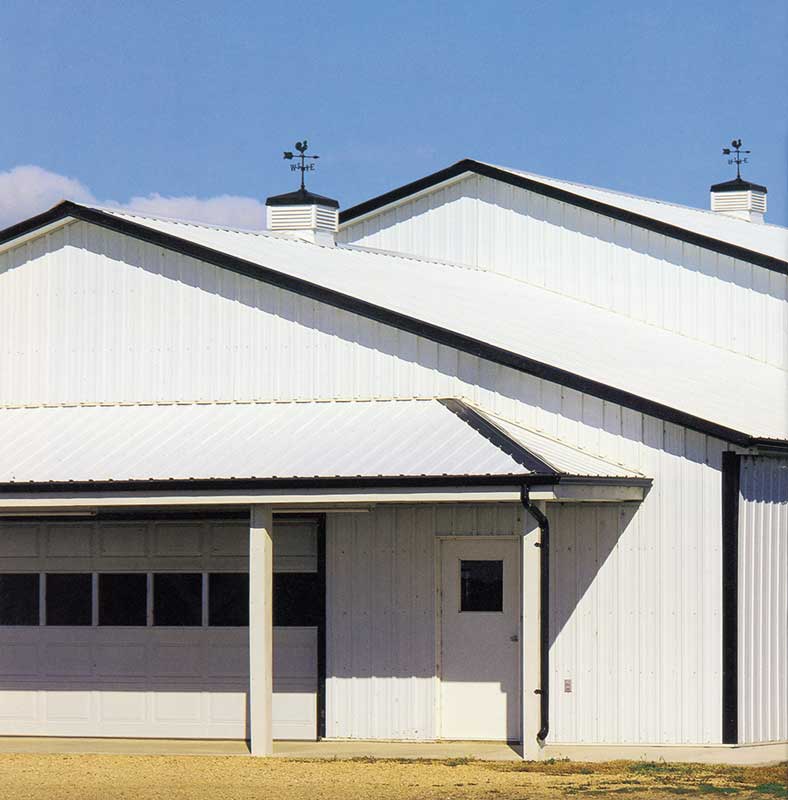
Rural builders have generally switched from bare galvanized metal to painted panels, both for a more “finished” aesthetic as well as greater durability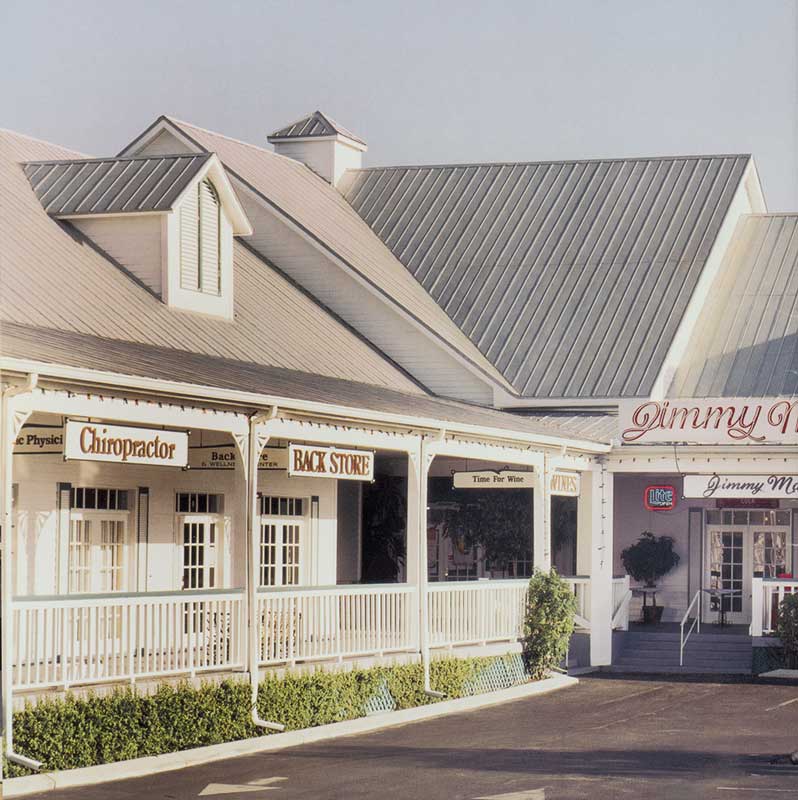
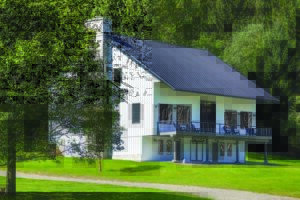
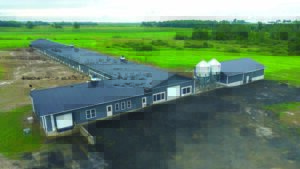
Some designers are returning to unpainted metal to conjure up a nostalgic farm country ambiance — here using 5v crimp for a Southern accent. So which looks more authentically rural? Wheeling Corrugating Photos
And why not? Through-fastened ribbed panels, dismissed as “crap-lap” by standing seam installers, have served to inexpensively roof a generation of horse barns, utility sheds, garages, cabins, and quite a few nice homes as well.
But times are changing. As builders continue to diversify into larger and more complex projects, and as city dwellers continue moving their homes and bank accounts into the countryside, it’s clear that many contractors will be encountering demand for a broader range of roofing styles and more expensive materials. It may be sooner than later that a customer asks about a standing seam copper roof.
More likely, builders will find they can offer customers a tile or a shake roof on a building because metal versions are available in the weight and engineering values required. These variations can add value and interest to otherwise cookie-cutter projects. The fact that these facsimile products could outlast the materials they imitate is just another selling point.
Metal roofs aren’t all about durability and quality. A lot of metal is specified or requested these days for entirely aesthetic reasons. The architectural use of bare Galvalume and galvanized is often more a “reference” to a rural aesthetic than an attempt to provide the best roof for the money.
The desire for the “authenticity” of old metal has even led some Southwestern builders to use rusting corrugated steel as roofing. The material rusts evenly and looks quite sharp. Guaranteed to fail, of course, but in that climate it could last decades.
In other words, for all the progress in metals, profiles, and finishes, metal’s heritage is as important as its chemistry. And that heritage is largely rural. RB