Originally Published as: One Country, Many Builds: Why Regional Differences Shape How (and What) We Build: Sub Head: Regional Realities
Regional Realities
The North
Built for Cold, Snow, and Staying Dry
In northern climates, winter is the ultimate stress test. Snow loads drive roof design, while deep frost lines shape everything below grade. Builders here think constantly about condensation, because moisture trapped in cold assemblies can lead to rot, mold, and structural damage.
Key considerations:
Steeper roof pitches to shed snow
Higher snow-load engineering requirements
Deep foundations and frost-protected slabs
Continuous insulation and vapor control
Ice-dam prevention and cold-weather detailing
Builder takeaway: In the North, durability starts with managing both liquid water and water vapor—year-round.
What others are borrowing: Continuous insulation and vapor-control strategies developed for cold climates are now improving durability in much milder regions.
The Midwest
Balancing Extremes and Budget
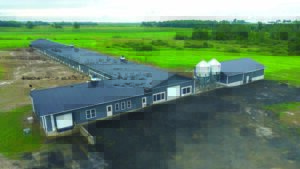
The Midwest may not grab headlines for extreme weather, but its wide temperature swings, wind exposure, and seasonal moisture make it one of the most demanding regions to build in. Add agricultural use, and flexibility becomes as important as strength.
Key considerations:
Wind-load design for open terrain
Roof systems that handle snow and summer heat
Cost-effective spans for ag and storage buildings
Ventilation strategies for mixed-use spaces
Designs that allow for future expansion
Builder takeaway: Midwest buildings must handle a lot—and do it affordably.
What others are borrowing: The Midwest’s ability to balance performance and price is influencing agricultural, storage, and multipurpose buildings nationwide.
The South
Heat, Humidity, and High Winds
In the South, the challenge is keeping buildings cool, dry, and standing after a storm. Heat and humidity complicate insulation choices, while hurricanes and severe storms demand robust connections from roof to foundation.
Key considerations:
Wind-uplift resistance and continuous load paths
Moisture management in hot, humid conditions
Corrosion-resistant materials and fasteners
Reflective roofing and efficient envelopes
Elevated foundations in flood-prone areas
Builder takeaway: In the South, airflow and attachment details matter as much as structural strength.
What others are borrowing: Hurricane-driven connection details are now standard practice far beyond coastal zones.
The West
Resilience Meets Regulation
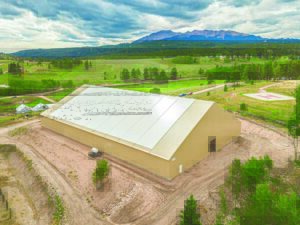
Western builders face some of the most complex construction environments in the country. Seismic zones, wildfire risk, strict energy codes, and insurance requirements all influence design and material choices.
Key considerations:
Seismic engineering and flexible connections
Fire-resistant exterior materials
High-performance energy envelopes
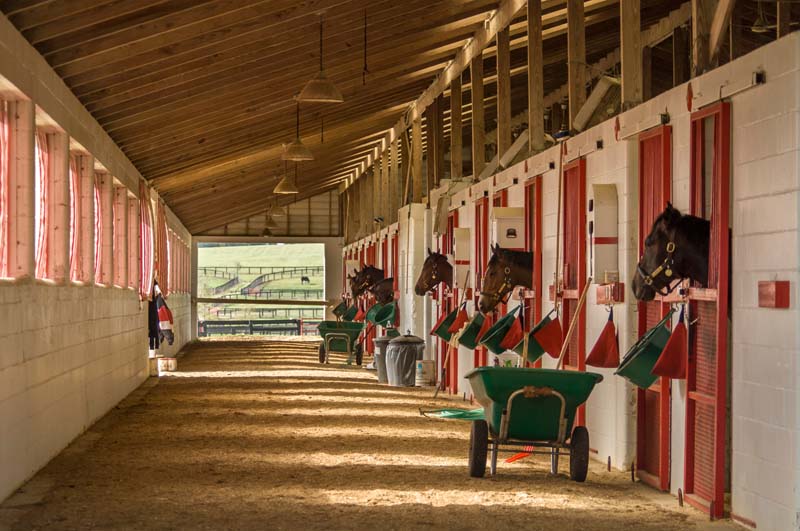
Long spans for equestrian, storage, and commercial uses
Insurance-driven design decisions
Builder takeaway: Western construction focuses on building smarter today to reduce future risk.
What others are borrowing: Fire-resistant materials, energy-focused designs, and resilience planning are reshaping building practices nationwide.
Different Regions. Shared Lessons.
Rural builders work in very different climates and code environments, but the challenges they face—and the solutions they develop—have more in common than ever. From moisture control in cold climates to wind-resistant connections in storm zones, regional expertise is no longer staying regional.
The strongest builders know their local conditions inside and out. They’re also paying attention to how others solve similar problems in different places.
Build local. Think national. Apply what works, share what you learn, and help shape the future of rural construction—one region at a time.