Originally Published as: Capler Homes Loves a Challenge: From Unique Design to Longevity
The Beginning
After college, Ben Butler took a job with 84 Lumber, running the local store. Eventually he moved on to Moores Lumber & Millwork. Working with all of these construction materials, Butler became interested in the building side of the industry; he took on a side venture building spec houses. When his employer realized he had a second job in the industry, they let him go. Butler decided that instead of looking for another job, he would focus on building. He started Capler Homes in 2003, contracting crews as the General Contractor on custom homes and learning the business as he went along.
Then 2008 hit and as the housing market came crashing down, his small business floundered and lost money, employees, just about everything. Butler didn’t declare bankruptcy, instead he began talking to people at lumber stores and realtors, asking if they knew of anyone who needed anything done. He found small jobs, changing out toilets or any job he could find. It was challenging; he had a young family, but he loved the business and persevered.
Eventually Butler was offered a big job, and he was able to hire back one of his employees. The two of them kept on working together, perfecting their craft. By 2013 or 14, the economy recovered, and Capler hired more employees and came back stronger than ever.
Common Components
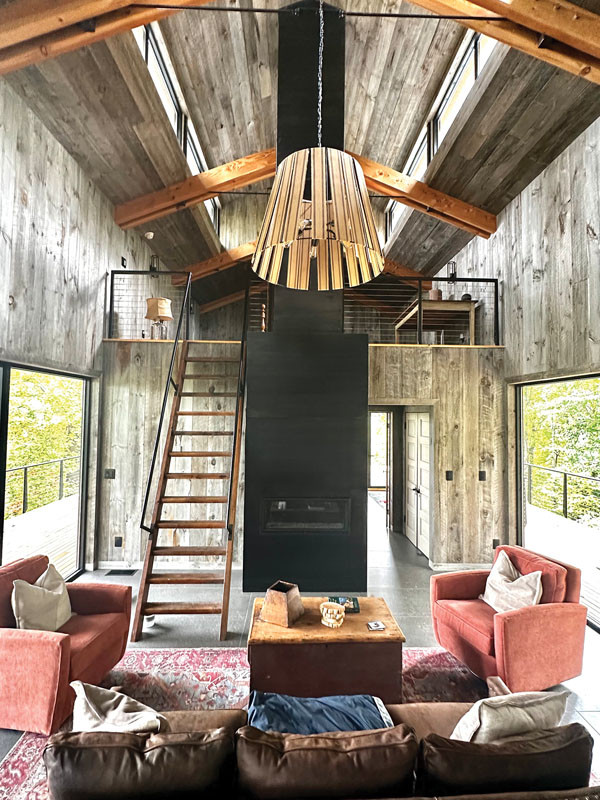
Many of the company’s materials come from Virginia Frame Services, Weyerhauser and Buffalo Lumber. They install Andersen E-series windows, Jeldwyn Siteline windows, and standing seam metal roofs from Englert.
While they often source materials from these companies, that doesn’t mean that their projects are one similar to the next. In fact, it’s quite the opposite.
The Niche
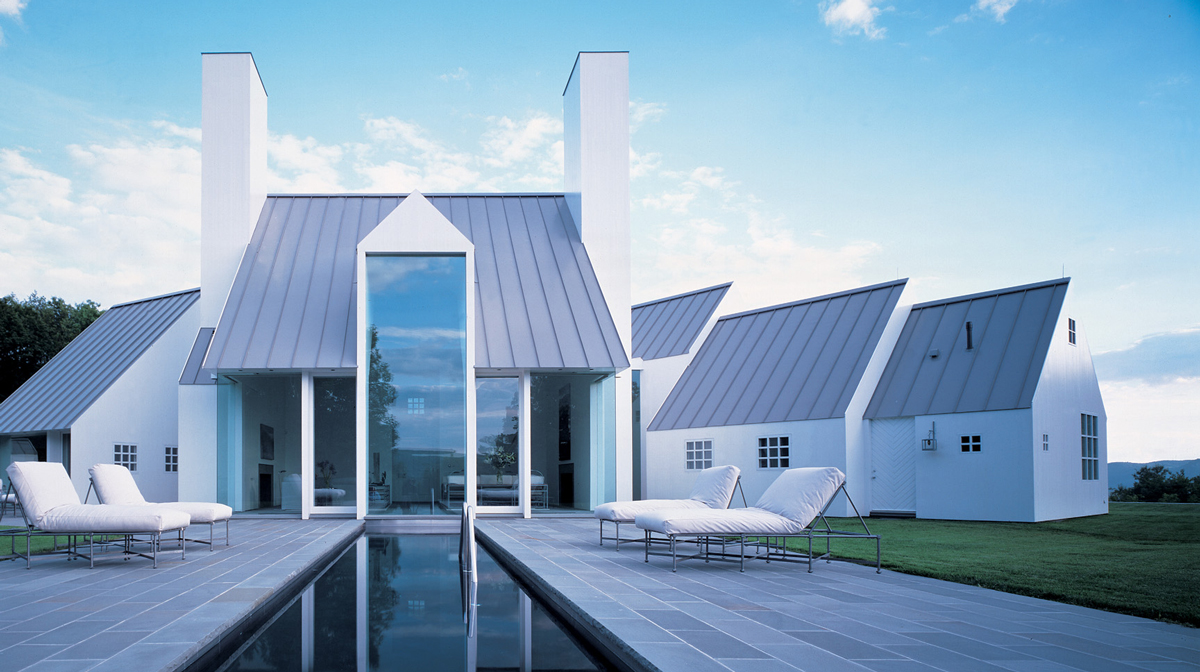
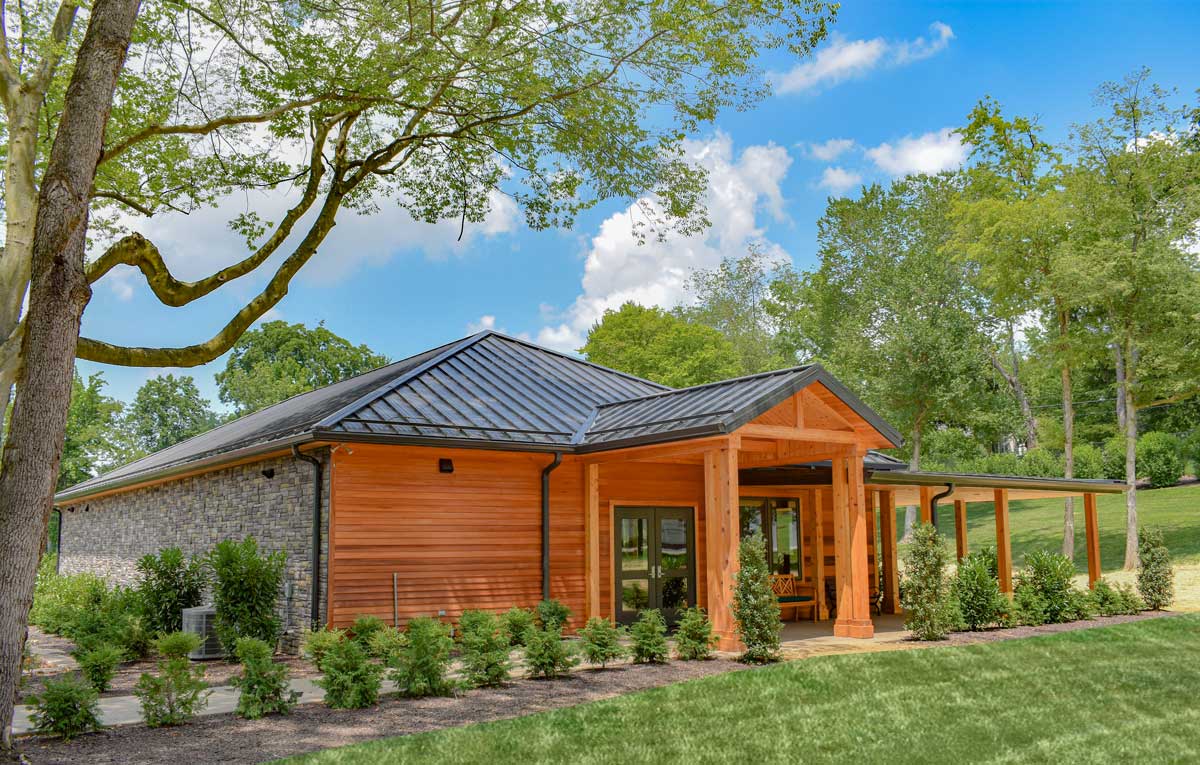
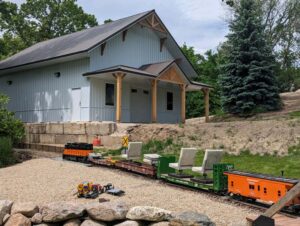
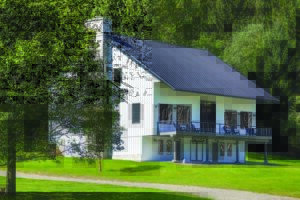
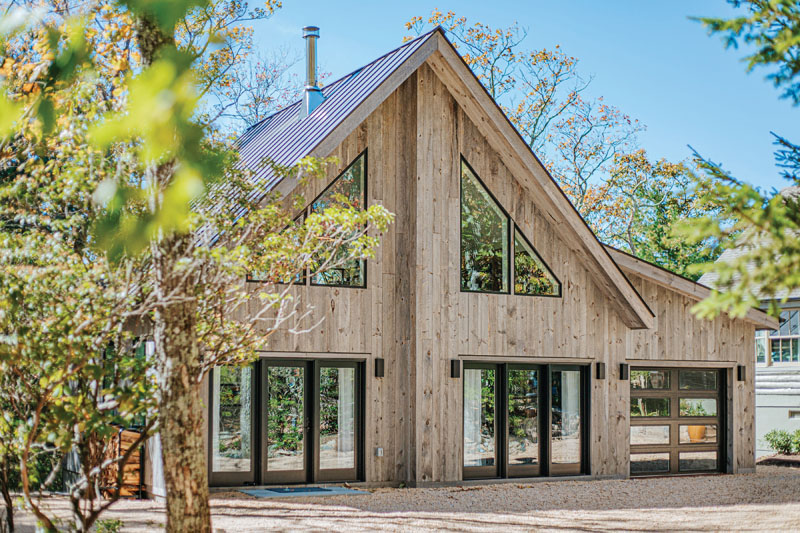
As the company built more houses and developed their skills, they found that they like a challenge. The biggest portion of their business is in custom homes and often they include an element or elements that are out of the ordinary. They work in some affluent and artistically minded areas and their builds are often unique, reflections of them and their clients. The company has built an eclectic portfolio that includes a modern farmhouse with many traditional elements, a glamping retreat built on a rock ledge, tiny homes, a treehouse, a yurt, and even a bridge house.
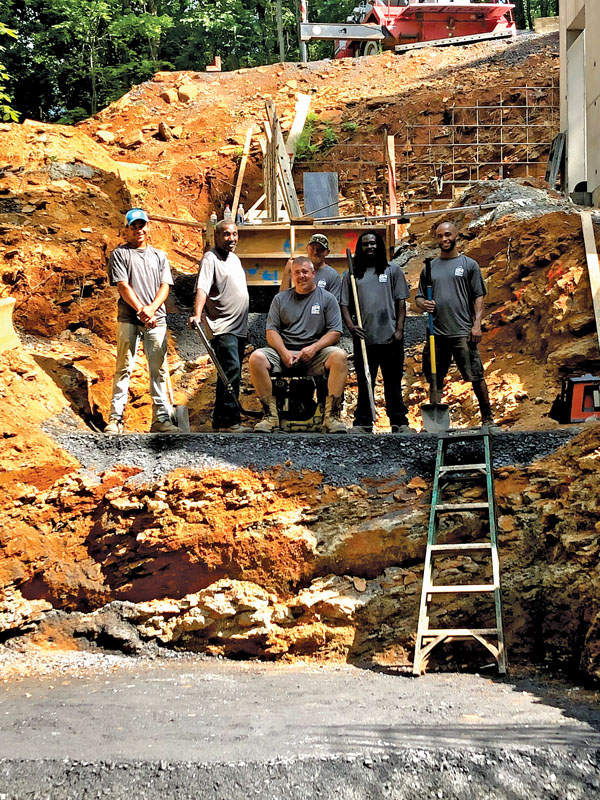
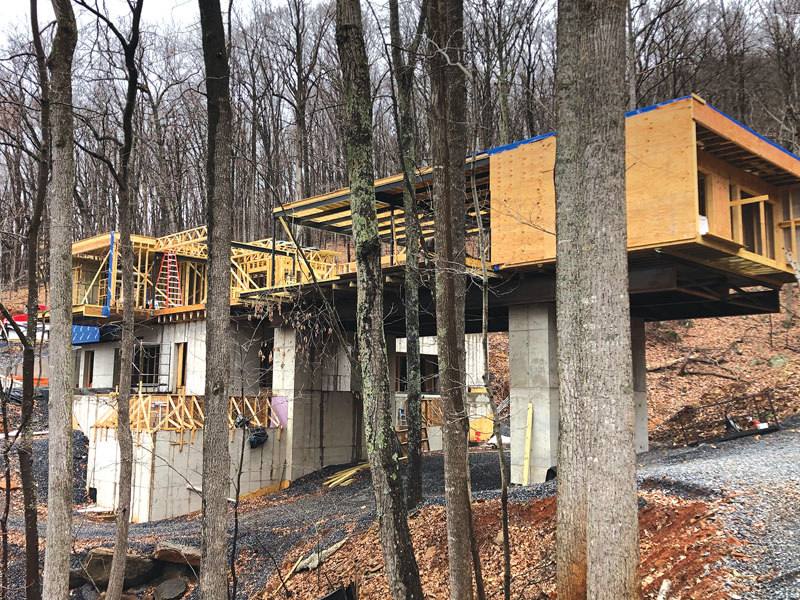
The Bridge House features a concrete foundation with structural steel and infill with stick framing. It pushed the team’s creativity and craftsmanship Butler said. They had never built a bridge, and suddenly they were trying to build a home into a bridge 40 feet in the air to cover a chasm in the earth, and striving to do it with minimal impact.
“The engineer tells us what we need,” Butler explained, “then if we find that it’s not working, we have to try to figure out how to make it work. We pool our creativity and come up with a solution and take it back to the engineer for certification before we can move on,” Butler added.
The project was fun and satisfying according to Butler because it was a great challenge and they are proud of the results.
All their buildings are built for quality and longevity, and as they have done many unusual projects, they have developed a reputation for building unique custom structures which suits the Capler team fine. They are a group who is passionate about what they do, constantly pushing their boundaries, developing their craftsmanship, and fine-tuning their skills.
Building a Team
There are many benefits to working in construction; you get to be outside, you work with your hands, and the pay is pretty good. Satisfaction in a job well done is high when the end result is tangible, such as a new home or vacation space.
“When you are engaged in ‘out-of-the-box’ custom construction, you never have to advertise for help,” Butler said. “The projects we have taken on not only attract clients who want something unique, they also attract crafts people who thrive on challenge.”
The team is not much concerned with a co-worker’s experience coming into the company; they train their co-workers themselves, and the group pulls together. There are no knowledge gatekeepers; they all bring each other up to the highest skill level so they end up with a team that feels like they all have years and years of experience.
Construction is the Industry To Be In
For 20 to 30 years people have been telling students that they should go to college to create a career. However, Butler said that the best place to be both financially and emotionally is in the construction industry. There are so many opportunities to build a career both in building and related trades.
“At the beginning you will work your butt off, but the money follows,” Butler said. “If you find that you enjoy it and put the effort in, you will become very skilled, and then you will be in high demand.”
Capler Homes will continue to push the limits of residential construction in their projects, working with more creative people, and persisting in their tradition of challenging themselves with unique builds Butler said. The future looks exciting!